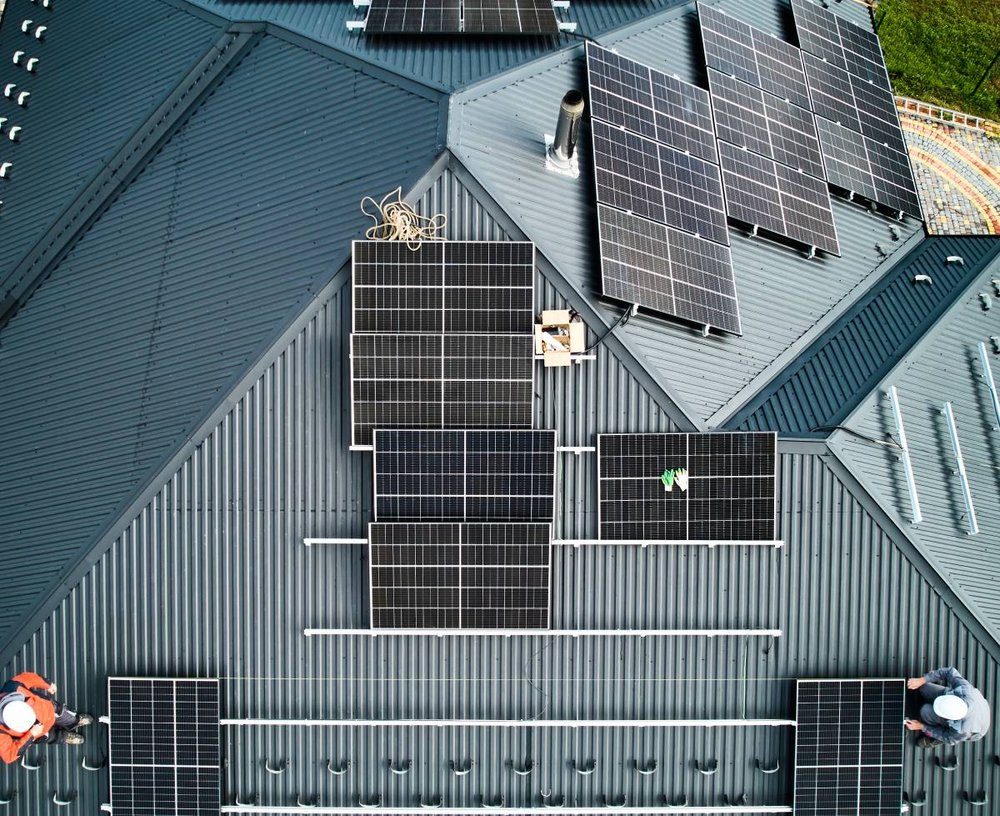
Is Your Roof Ready for Solar? What Oklahoma Homeowners Should Know Before Installing Panels
Is Your Roof Ready for Solar? What Oklahoma Homeowners Should Know Before Installing Panels
Your roof might be older than you think, and that could change how you plan your solar panel installation in Oklahoma. Roof age and solar go hand in hand—installing panels on a roof nearing the end of its life can lead to costly repairs down the road. Knowing when to repair, re-roof, or install now can save you money and protect your home. Let’s walk through what every Oklahoma homeowner should know before making this important choice. For additional insights, check out this guide.
Understanding Roof Age and Solar Readiness
When considering solar panels, understanding your roof's age and condition is crucial. A well-maintained roof ensures a successful solar installation and protects your investment.
Roof Age and Solar Basics
Start by assessing your roof's age. Most homeowners don't realize that solar panels last for decades, but so do many roofing materials. If your roof is over 10 years old, it might need attention before installation. Common roofing materials like asphalt shingles typically have a lifespan of 20-30 years. Installing solar on an aging roof could mean costly repairs or a full replacement soon after your panels are in place. To learn more, check out how roof conditions affect solar panels.
Impact of Roof Condition on Solar
The condition of your roof significantly impacts solar installation. If your roof has leaks, missing shingles, or structural damage, it won't support solar panels effectively. Installing on a compromised roof can lead to further damage, reducing both your roof’s and panels’ life spans. A thorough inspection can reveal issues like weak spots or water damage. Addressing these before installation prevents future headaches and safeguards your home.
Signs Your Roof May Need Attention
Keep an eye out for signs of roof wear and tear. Look for missing shingles, water stains on ceilings, or visible sagging. Even small issues can worsen over time, making a solid roof essential for solar panels. Regular inspections help catch these problems early, saving you from costly repairs later. If you're unsure about your roof's condition, consult a professional for a detailed assessment.
Preparing Your Roof for Solar Panels
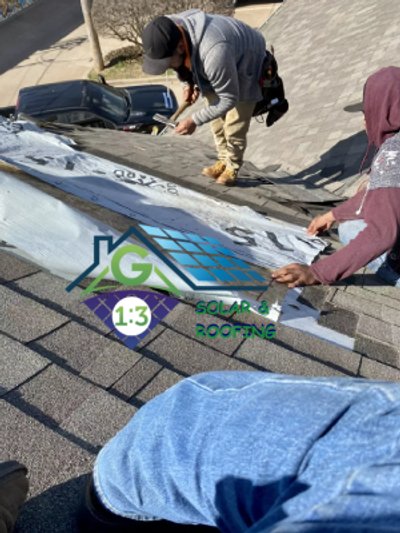
Before installing solar panels, ensuring your roof is in optimal condition is key. Addressing any roofing issues beforehand can save money and prolong the life of your solar system.
Roof Replacement Before Solar Installation
If your roof is nearing the end of its lifespan, consider replacing it before going solar. Replacing your roof may seem like a big step, but it's a worthwhile investment. A new roof provides a stable base for solar panels and eliminates the need for future repairs that could disrupt your solar system. Plus, many roofing materials are designed to complement solar panels, offering added durability and energy efficiency.
Repairing Damaged Roofs for Solar
If your roof requires minor repairs rather than a complete overhaul, now is the time to make those fixes. Addressing leaks, damaged shingles, or structural issues ensures your roof can support solar panels. Repairing these problems before installation means you won't face disruptions later. By maintaining your roof, you protect both your home and your solar investment.
Solar-Ready Roof Checklist
To ensure your roof is ready for solar installation, consider this simple checklist:
Inspect for leaks or water damage.
Check for missing or damaged shingles.
Evaluate the roof’s structural integrity.
Ensure proper ventilation and insulation.
Completing these steps prepares your roof for a smooth solar panel installation and helps avoid future issues.
Scheduling Your Free Evaluation

Ready to take the next step? A professional evaluation can guide you through the process, ensuring your roof and solar installation are perfectly aligned.
Benefits of a Roof and Solar Evaluation
A combined roof and solar evaluation offers peace of mind. Professionals assess your roof’s condition, identify any necessary repairs, and ensure it can support solar panels. This evaluation prevents costly surprises and helps you plan effectively. You gain clear insights into your roof’s readiness and the best solar options for your home.
How to Get Started with G 1:3 SoLar & Roofing
Getting started with G 1:3 SoLar & Roofing is simple. Our team offers comprehensive evaluations, guiding you from roof inspection to solar installation. With our expertise in solar panel installation in Oklahoma, we ensure your home's solar transition is seamless. Contact us today to schedule your free evaluation and begin your solar journey.
Understanding Solar Panel Warranties and Financing Options
Understanding warranties and financing is vital for protecting your solar investment. Solar panel warranties typically cover 25 years or more, ensuring long-term performance. Financing options are available to help manage costs, making solar more accessible. By exploring these options, you can confidently invest in solar power for your home.
Frequently Asked Questions
How do I know if my roof needs replacing before installing solar panels?
You should assess your roof’s age and condition. If it’s older than 10 years or shows signs of damage like leaks or missing shingles, consider replacement. Professional evaluations can provide a clear assessment.
What roofing materials are best for solar panels?
Materials like asphalt shingles and standing seam metal roofs are ideal for solar panels. They provide durability and support for solar mounts, ensuring a long-lasting installation.
Can I install solar panels on a roof with minor damages?
While minor repairs can be addressed, it’s best to fix any damages before installation. Ensuring a solid roof foundation prevents future issues and maintains the integrity of your solar system.
What is the lifespan of solar panels compared to roofing materials?
Solar panels typically last 25-30 years. Common roofing materials, like asphalt shingles, have similar lifespans. Aligning their replacement cycles can save time and costs.
How do solar evaluations benefit homeowners?
Solar evaluations provide insights into your roof’s readiness and the best solar options. They help plan installations effectively, preventing costly surprises and ensuring a successful transition to solar power.
