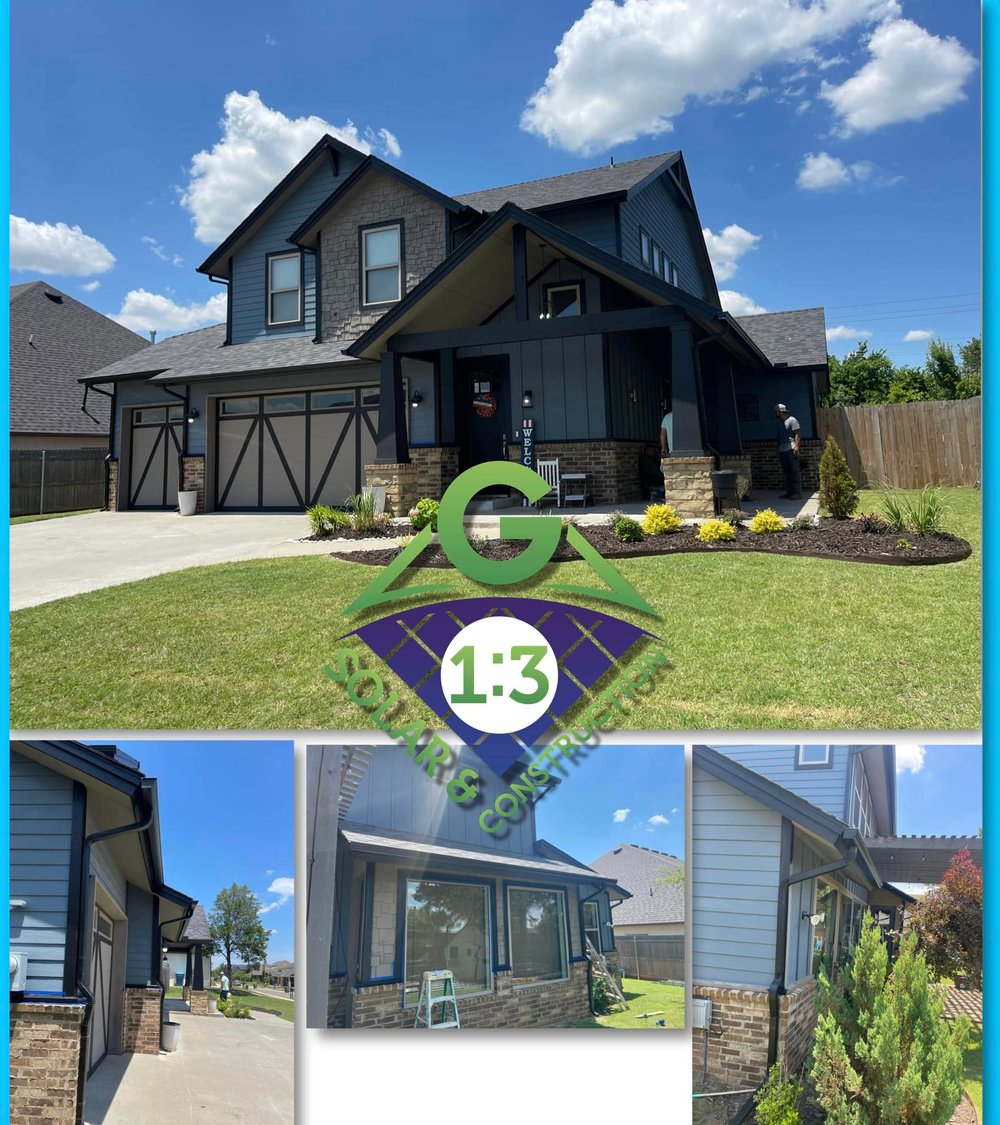
Oklahoma Fall Guide: How to Tell If Your Roof Is Ready for Solar
Oklahoma Fall Guide: How to Tell If Your Roof Is Ready for Solar
Fall is the perfect time to see if your roof is ready for solar before winter hits. In Oklahoma, many roofs face unique challenges like hail damage or shading that can affect solar panel installation. Knowing your roof’s condition, angle, and age helps you avoid surprises and unlock real solar savings Oklahoma homeowners appreciate. Keep reading to learn the key steps for a fall roof inspection Oklahoma trusts—and how G 1:3 SoLar & Roofing can help you get a free solar evaluation today. Check out this link for more insights on preparing your roof this season.
Assessing Roof Condition
Understanding your roof's health is the first step towards solar readiness. A thorough inspection ensures there are no hidden issues that could interfere with solar installations. Let's dive into what you should look for.
Inspect for Hail Damage
Oklahoma roofs are no strangers to hail storms. Hail can cause significant damage that might not be immediately visible. You should look for dents or missing shingles, as these can compromise your roof's integrity. A professional inspection can reveal hidden problems, ensuring your roof is sound before installing solar panels. Most people think minor dents aren't a big deal, but they can lead to leaks down the road. Addressing these issues early can save you time and money.
Evaluate Roof Age and Material
The age and material of your roof play a crucial role in solar readiness. A roof over 20 years old might need replacing before adding the extra weight of solar panels. Roofing materials also matter: asphalt shingles, metal, and tiles each have different lifespans and strengths. If your roof is nearing the end of its life, a replacement might be wise. This step not only prepares your home for solar but also enhances its overall durability.
Roof Orientation and Shading

Getting the most from your solar panels depends on how well they're positioned. The roof's orientation and potential shading can affect energy production significantly.
Optimal Solar Panel Placement
Your roof's direction and tilt are essential for capturing sunlight. Ideally, panels should face south at an angle that matches your latitude. This setup maximizes sunlight capture throughout the year. If your roof's orientation isn't optimal, consider adjustments or alternative mounting solutions to improve efficiency.
Assess Shading from Trees and Buildings
Shading can dramatically decrease the efficiency of your solar panels. Look for trees, chimneys, or even neighboring buildings that might cast shadows on your roof. Prune trees or consider micro-inverters, which can help mitigate shading effects and ensure consistent energy production. Many believe shading is only a minor concern, but even small shadows can lead to significant power loss.
Structural Integrity and Support

It's vital to ensure your roof can support the additional weight of solar panels without compromising its structural integrity.
Check Roof Structure and Load Capacity
Before installing solar panels, verify that your roof structure can handle the extra load. The weight of solar panels varies, so have a professional assess your roof's load-bearing capacity. This step prevents potential damage and ensures safety for your home and family.
Consider Roof Replacement for Solar 🏠
Sometimes, replacing your roof is the best option before going solar. A new roof offers a fresh start and peace of mind, knowing it's ready to support solar panels for decades. This investment secures your home's future energy savings and adds value to your property.
Frequently Asked Questions
How do I know if my roof is eligible for solar panels?
A professional inspection can determine your roof's condition, orientation, and shading, ensuring it's ready for solar installations.
What roof materials are best for solar panels?
Asphalt shingles, metal, and tiles are popular choices. Each offers different benefits, so consult with a roofing expert to find the best fit for your home.
Can trees affect solar panel efficiency?
Yes, shading from trees can reduce solar panel efficiency significantly. Consider trimming them to maximize sunlight exposure.
Do I need to replace my roof before installing solar panels?
If your roof is over 20 years old or shows significant wear, a replacement might be necessary to ensure structural integrity.
What is the ideal orientation for solar panels in Oklahoma?
South-facing panels at an angle matching Oklahoma's latitude typically provide the best results.
