
Oklahoma Solar Readiness Checklist: What to Check Before Installing Solar Panels
Oklahoma Solar Readiness Checklist: What to Check Before Installing Solar Panels
Planning to install Oklahoma solar panels soon? Before you make the leap, it’s crucial to check your roof’s condition, spot any shade issues, and understand local utility rules. Knowing about incentives, permits, and financing can save you headaches and money down the road. Keep reading to get the must-have checklist that prepares your home perfectly for solar installation Oklahoma residents trust. Ready to see if your home is solar-ready? Schedule your free roof and solar evaluation today with G 1:3 SoLar & Roofing.
Assessing Roof Health
Before diving into solar installation, ensuring your roof is in top shape is crucial. A sturdy roof is the first step toward a successful solar journey.
Importance of Roofing Inspection
A roofing inspection is essential before installing solar panels. You need to know if your roof can support solar panels without issues. A professional inspection can highlight problems like weak spots or leaks. You'll receive a detailed report on your roof's health. This helps you make informed decisions on whether repairs are necessary. A solid roof means peace of mind and protects your investment.
Signs of Roof Damage
Spotting roof damage early can save you money. Look for missing shingles, sagging areas, or water spots on ceilings. These are indicators of potential issues. Addressing these before solar installation prevents bigger problems. A healthy roof ensures your panels perform optimally, maximizing their lifespan and efficiency.
Roof Replacement for Solar
Sometimes, replacing the roof is necessary before adding solar panels. If your roof is old or damaged, replacement might be the best option. A new roof ensures safety and supports solar panels effectively. This step can increase your home's value and curb appeal, making it a smart investment for the future.
Evaluating Site Conditions
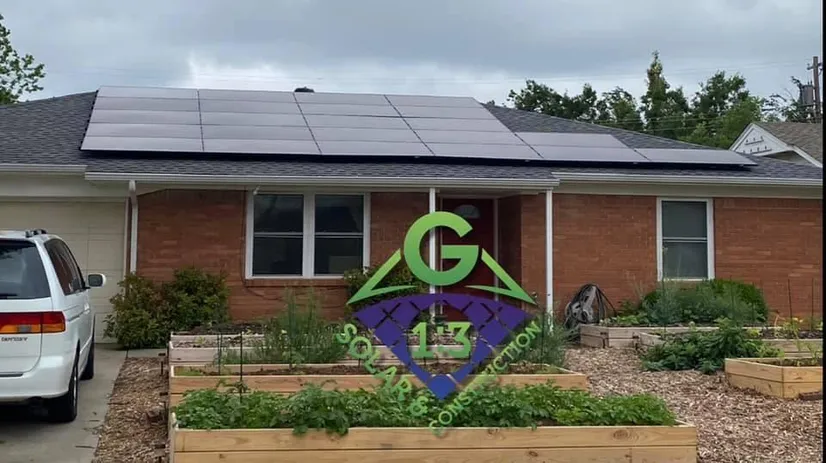
After ensuring your roof is ready, the next step is to assess your property for solar panel installation. Location and conditions play a crucial role in solar efficiency.
Impact of Shade on Solar Output
Shade can significantly impact solar panel output. Trees, buildings, or other structures can block sunlight. This reduces the energy your panels generate. To maximize solar efficiency, it's crucial to consider shade during installation. Sometimes, trimming trees or adjusting panel placement can solve these issues.
Necessary Permits for Solar Installation
Installing solar panels often requires permits. These ensure your installation meets local regulations and safety standards. Working with a professional installer simplifies this process. They handle the paperwork, ensuring compliance and smooth installation. This step is vital for avoiding complications and ensuring your system's legality.
Understanding Utility Rules and Net Metering
Understanding utility rules and net metering is crucial for solar panel owners. Net metering allows you to earn credits for excess energy your panels produce. It's essential to know how your utility company handles this. Familiarizing yourself with these rules helps maximize your energy savings and optimize your solar investment.
Exploring Financial Considerations
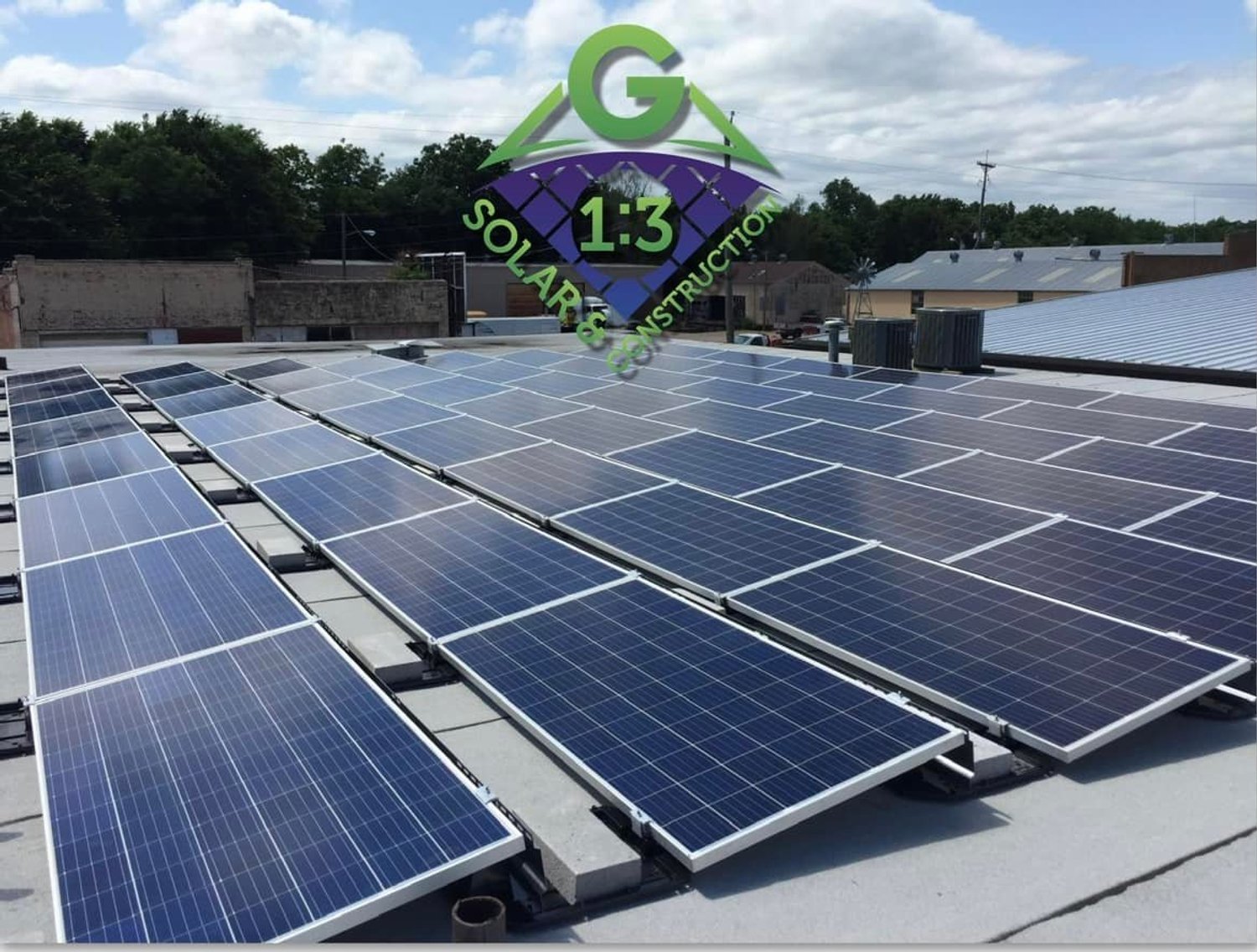
Finally, examining financial aspects is essential in making solar installation affordable and beneficial. Understanding incentives and financing options can significantly lower costs.
Available Solar Incentives and Credits
There are various solar incentives and credits available. These can reduce the overall cost of installation. The federal solar ITC and state-specific programs offer substantial savings. Researching these options can save you thousands of dollars. Incentives make solar panels more accessible and financially viable for homeowners.
Financing Options for Solar Installation
Financing options make solar installation affordable. You don't need to pay everything upfront. Loans, leases, and power purchase agreements (PPAs) spread out the cost. This flexibility makes solar panels attainable for many homeowners. Comparing different financing plans can help you choose the best fit for your budget.
Savings Potential and Energy Reduction
Solar panels offer significant savings on energy bills. They reduce reliance on traditional power sources, leading to lower costs. Over time, these savings can outweigh the initial investment. Additionally, solar panels contribute to environmental conservation by reducing carbon footprints. Embracing solar energy is both an economically and environmentally wise decision.
Frequently Asked Questions
How do I know if my roof is ready for solar panels?
A professional roofing inspection is the best way to assess your roof's readiness. It identifies any repairs or replacements needed before installation.
What are the common financing options for solar panels?
Common options include loans, leases, and power purchase agreements (PPAs). These choices help spread out the cost over time, making solar more affordable.
How does shade affect solar panel efficiency?
Shade reduces the amount of sunlight reaching your panels, affecting their output. Minimizing shade is crucial for maximizing energy production and savings.
What incentives are available for solar panel installation?
Incentives include the federal solar ITC and state-specific programs. These significantly reduce installation costs, making solar more accessible.
What is net metering, and why is it important?
Net metering allows you to earn credits for excess energy your solar panels produce. Understanding this helps maximize your energy savings and optimize your solar investment.
Taking these steps ensures a smooth transition to solar energy, enhancing your property value and contributing to a sustainable future.
